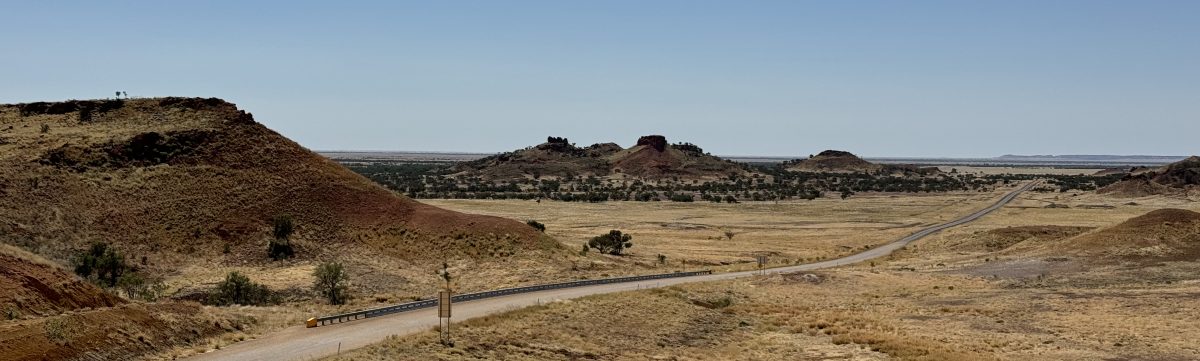

I wrote this piece back in early September for the ‘Queensland Country Life’ where it appeared in the View from the Paddock 10 September 2026 as “Regions and farms rely on seasonal work”.
The message regrettably has only become more important, particularly after the Albanese Federal Government announced new immigration rules that do nothing to lessen the disquiet most Australians have about current immigration levels.
Instead, they decided to single out the groups that have little or no impact on urban housing pressures, the one group essential to regional Australia’s tourism and hospitality industries and its agriculture sector.
They obviously are not listening to peak ag and tourism groups and are not visiting regional communities where they would see firsthand just how important backpackers and special visa holders are. My article is below:
A recent visit to Alice Springs reminded me that backpackers, seasonal workers and special visa workers are not an optional extra in regional Australia — they are essential to keeping farms, tourism businesses and country towns operating.
In the bush there is a world of difference between reality on the ground and the political rhetoric we hear in the media about cutting immigration.
Our politicians must distinguish between what’s needed to reduce broad population pressure on housing and infrastructure and the targeted labour programs that keep vital industries, businesses and communities operating.
The Working Holiday Maker program brings more than 200,000 young visitors to Australia each year, and the 88-day regional work incentive moves many of them out of the cities and into the regions.
Peak farm and tourism bodies have warned that the reduction of just 20,000 working holiday makers in the regions would see local economies take a $200 million a year hit including losing more than 1,000 jobs.
It’s not hard to imagine the negative impact on farming.
Industry figures from 2024 showed working holiday makers accounting for 14 per cent of all farm worker jobs, including 44 per cent of horticulture’s workforce, 31 per cent in grains, 26 per cent in red meat and 25 per cent in cotton during peak periods.
That is not counting the 32,645 PALM workers who in the financial year just gone provided essential seasonal labour to 556 approved agri businesses.
For tourism the backpacker visitor value extends beyond filling temporary job rosters to the 11,000 jobs actually generated by their spending $3 billion here, especially in regional destinations that rely on hospitality, touring, accommodation and seasonal visitor services.
So, it’s pretty clear why farm and tourism groups are warning against the baby being thrown out with the bathwater in the current immigration debate.
They also know what needs to be done: keep the regional work incentive, broaden eligible regional jobs where tourism and hospitality face genuine shortages, preserve longer working-holiday pathways, make visa processing more predictable, support promotion into regional areas and simplify PALM administration without weakening worker protections.
Our national interest is best served by making sure regional Australia is open for business with a skilled and motivated workforce and that can only happen with a well-managed working visa scheme for people willing to work outside the big cities.


